How it works in 5 steps
The problem before BioSonic:
For years, bat AutoID was built on shortcuts:
“If sound is above 50 kHz and loud → pygmaeus.”
That works in a lab…
The problem is in Nature where bats feed🦟socialize 💬, overlap and noise enters the recording (like crickets 🦗)
Bats don’t follow rules.
Old AutoIDs do.
Following is the 5 steps used to build BioSonic.
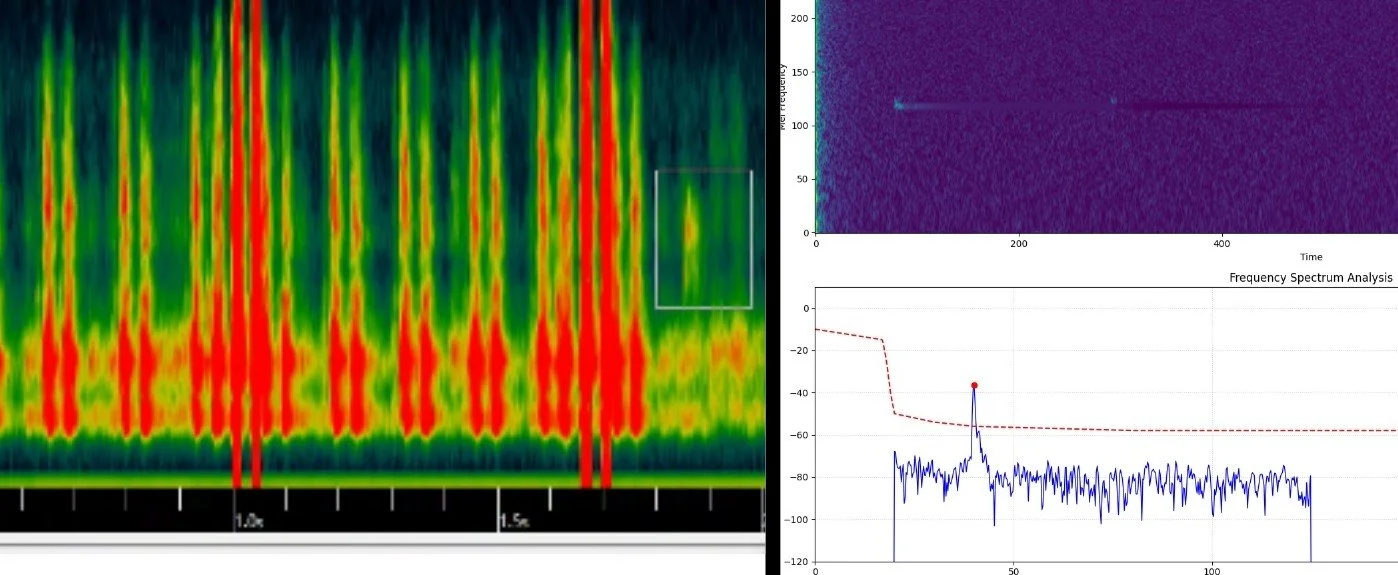
The Insight
Bat Experts look 👀at Spectrograms for species identification,
so we asked a simple question:
“Why shouldn’t AI work the same way?”
2. How BioSonic built the world leading AI analysis of bat calls:
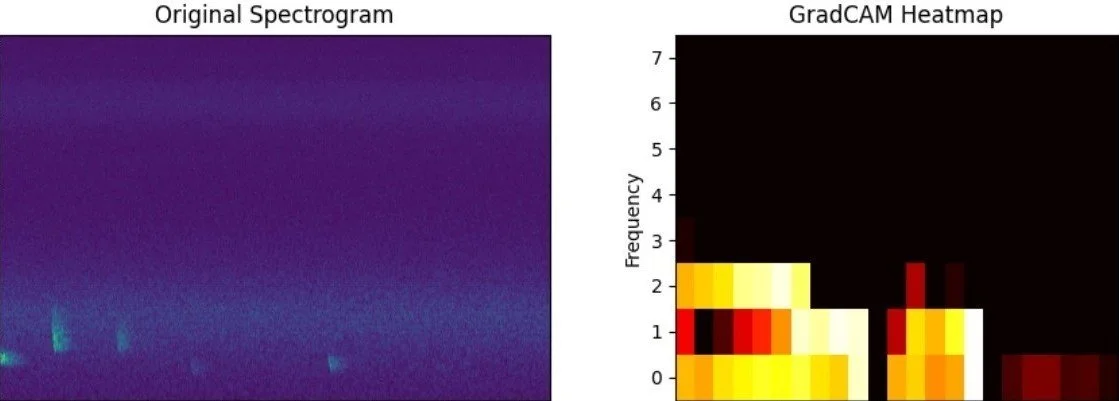
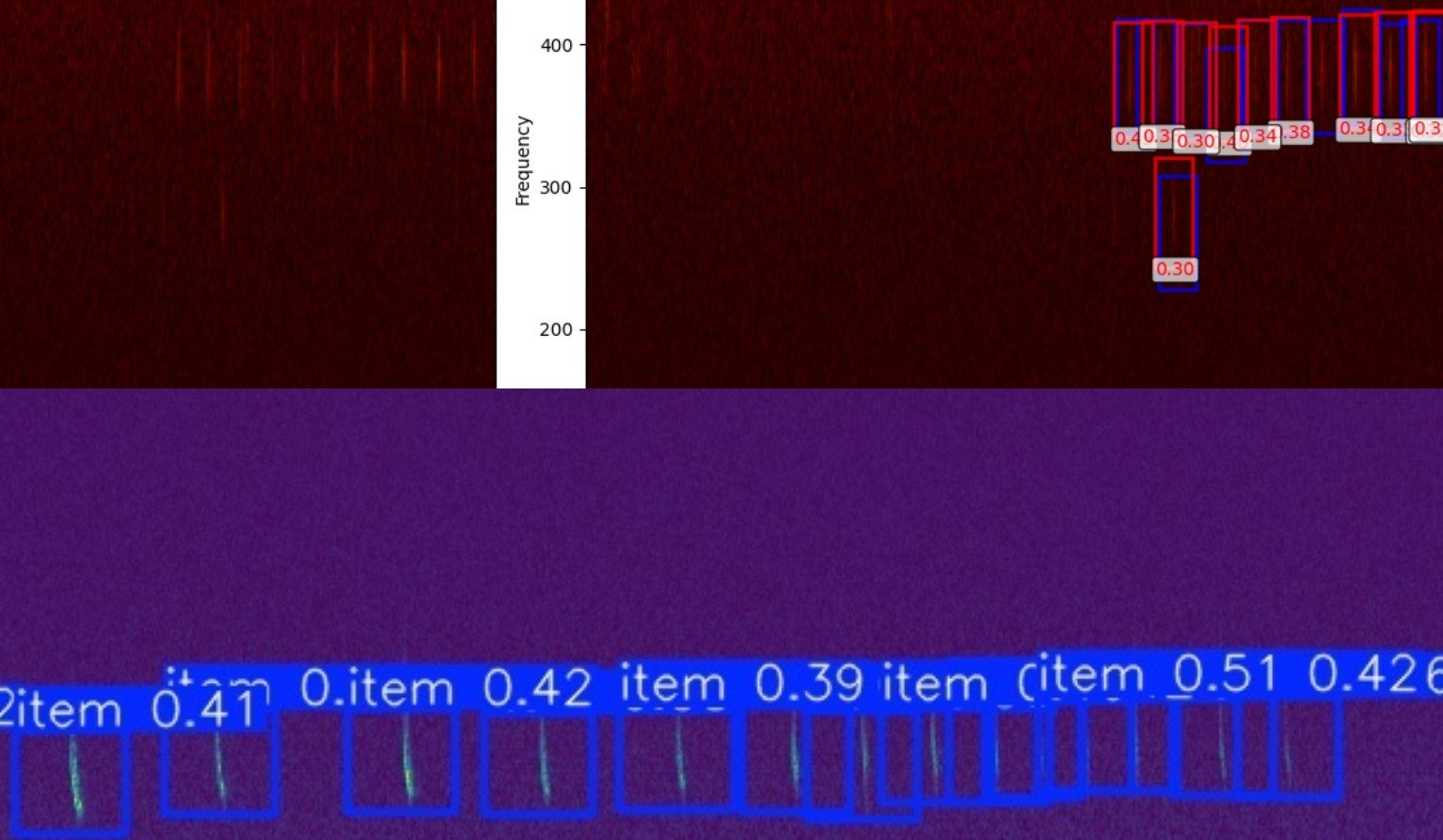
AI that sees spectrograms 👀
We built our custom image-recognition AI model trained specifically for bat spectrograms.
Same method humans use.
Just faster. And consistent.
with AI Expertise from Cambridge University.
3. Training data: 14 Bat Workers, 2.5M Bat Files
BioSonics AI is trained on 2 500 000 bat files from 12 bat experts in Northern Europe. Then validated again by 2 bat workers to ensure highest quality.
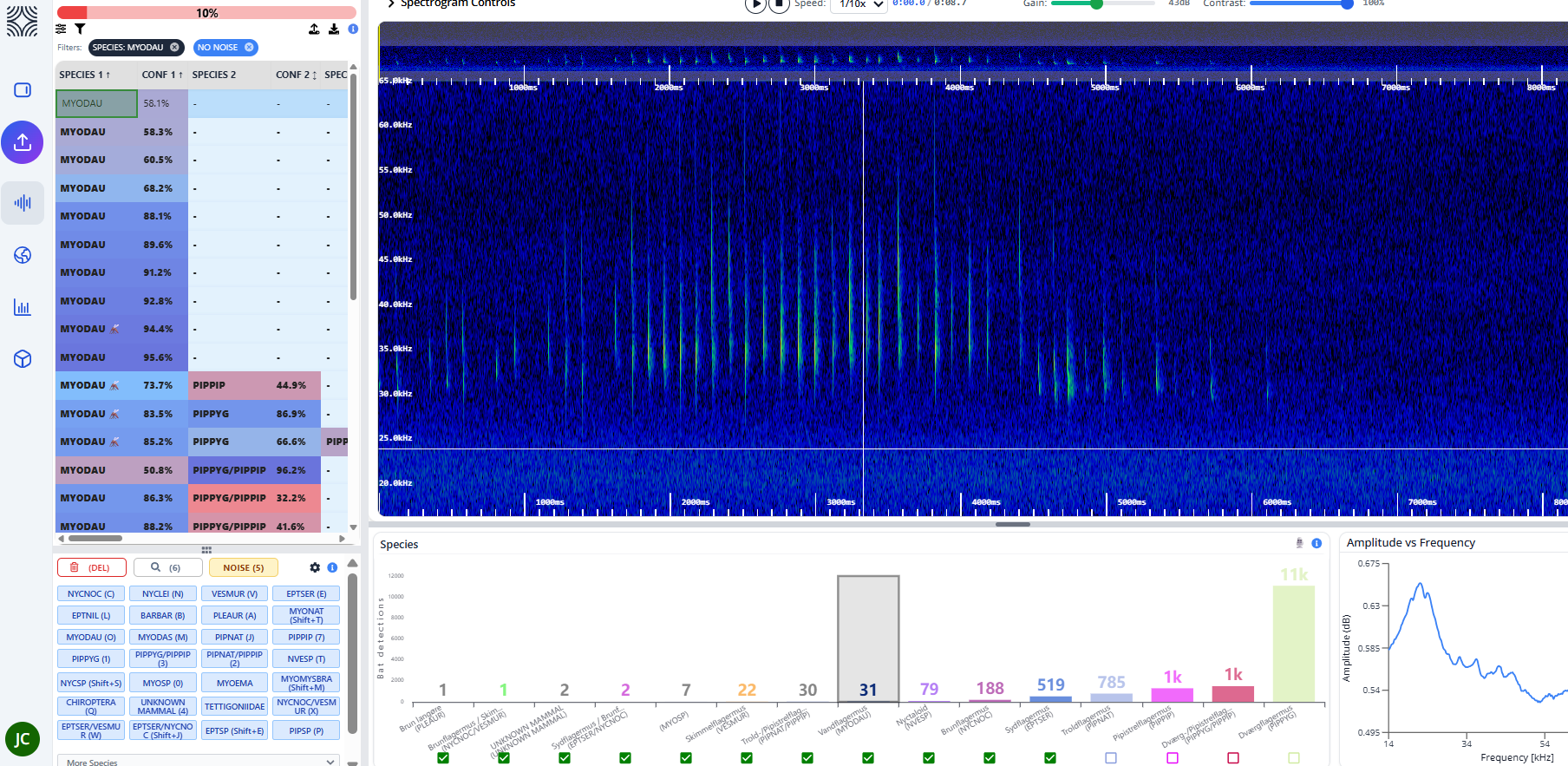
4. Made for lightning fast review by bat consultants
In the analysis below the AI found 11 000 soprano pipistrelle (74%) , which happens often. Also Noise files are often >70% of all files.
BioSonic moves most calls out of the way automatically, so consultants can focus on reviewing what matters, usually
Pond bat, natters, parti colored
Faint calls (Barbastelle, Brown long-eared)
Rare & strange social calls
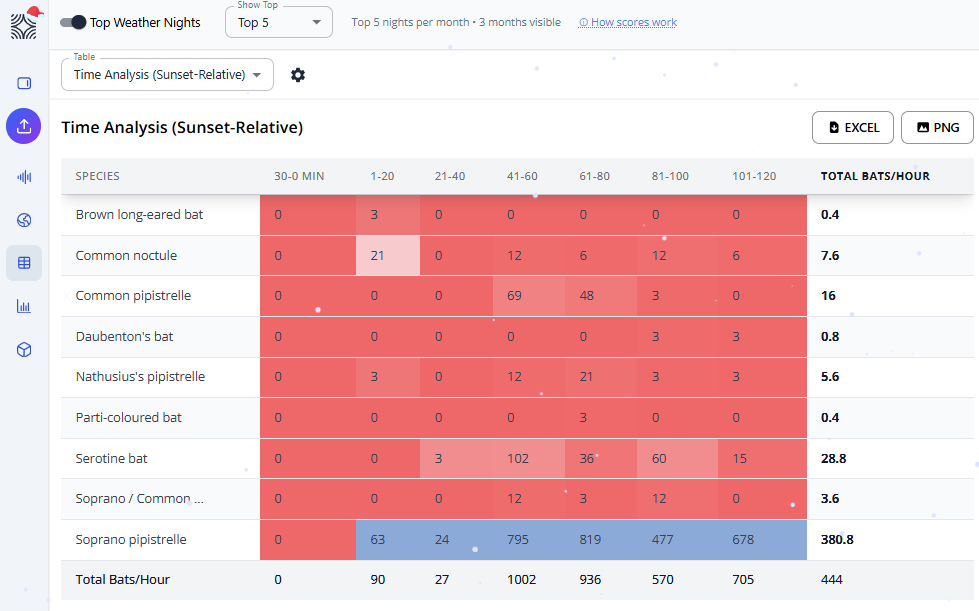
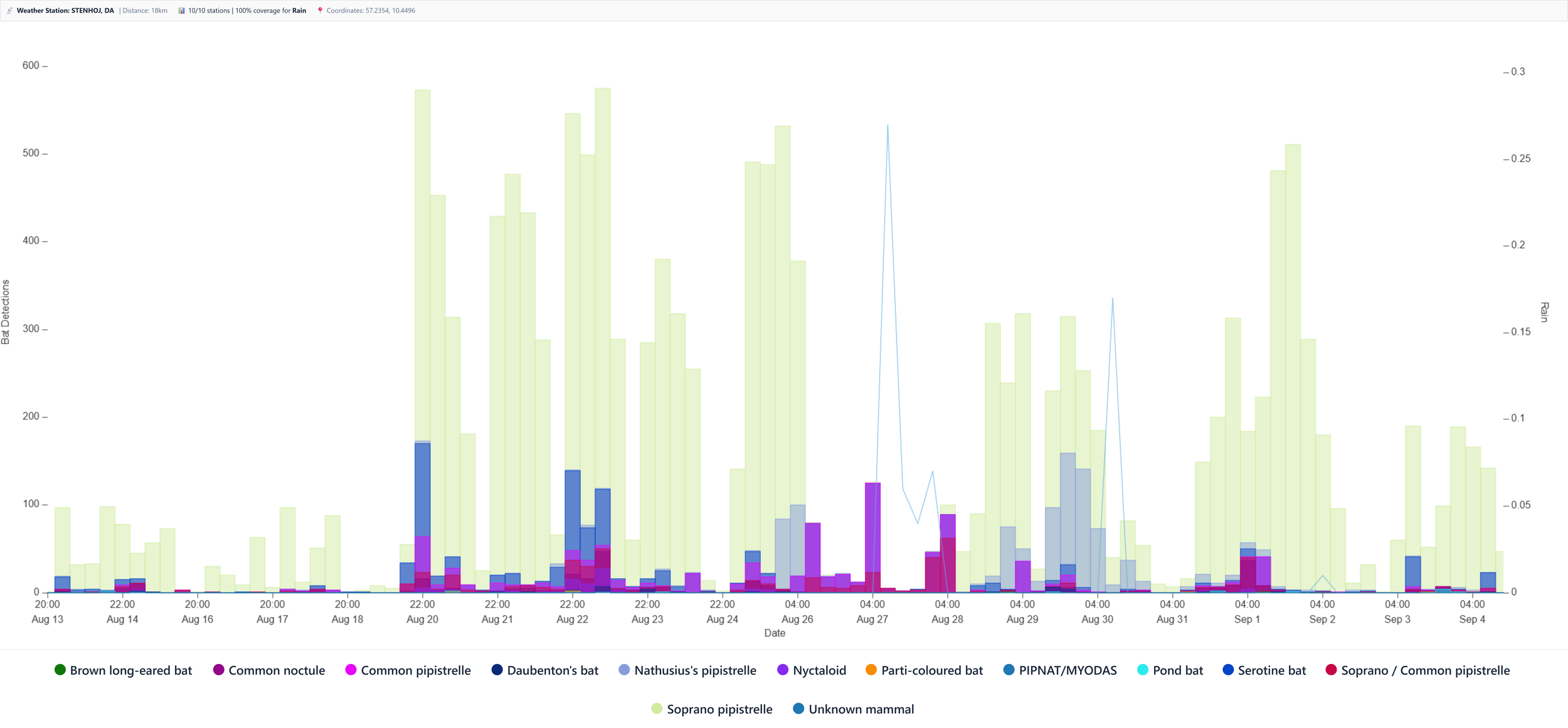
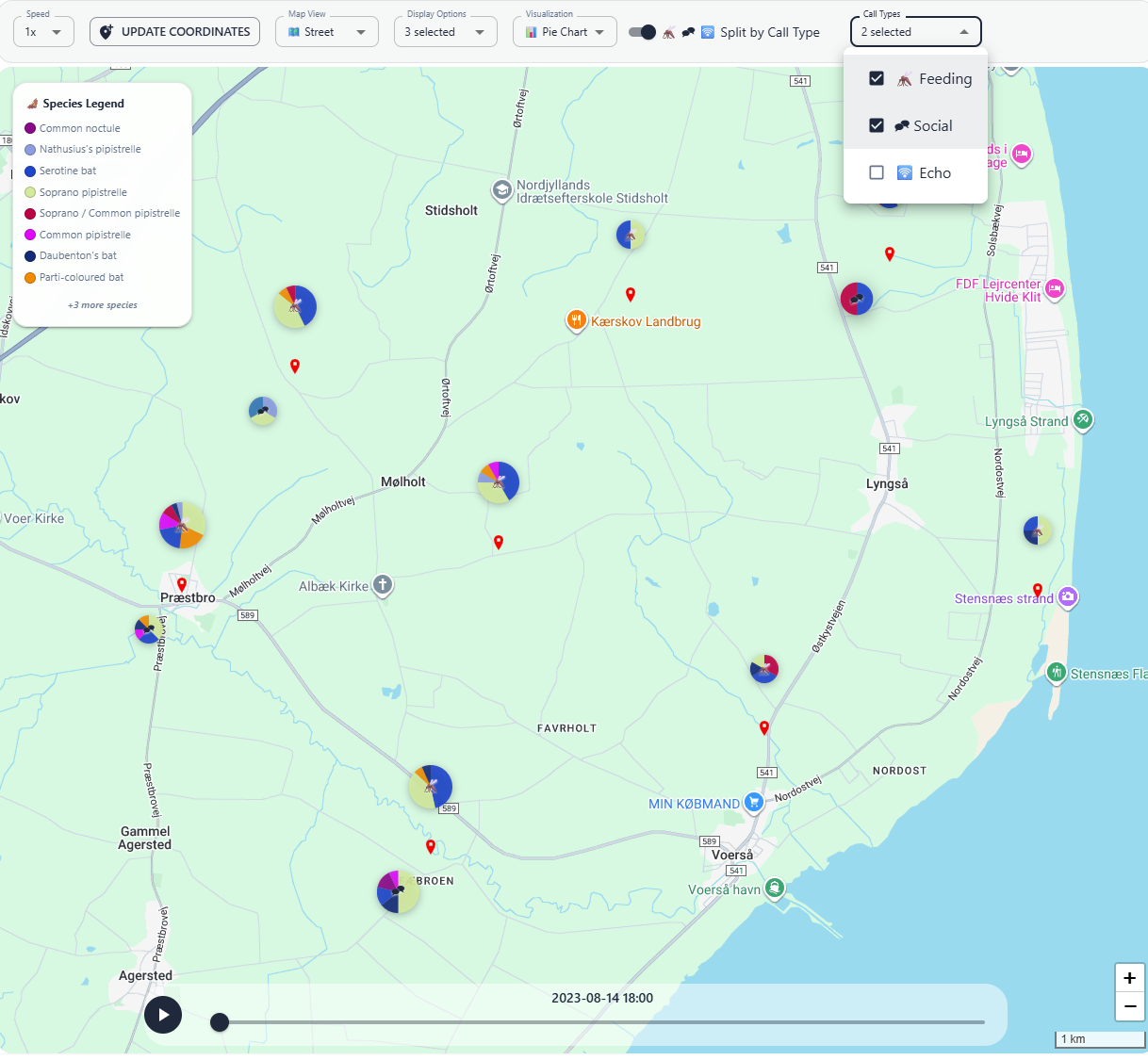
5. Automating graphs, maps & Tables 📈
Since it’s 2026 we obviously automate the graphs & maps:
⬇️One click download into your environmental report.
Anything missing? write me and we’ll add it:
josef.carlson@biosonic.se
Hundreds of Bat Workers at organizations like these save time today with BioSonic